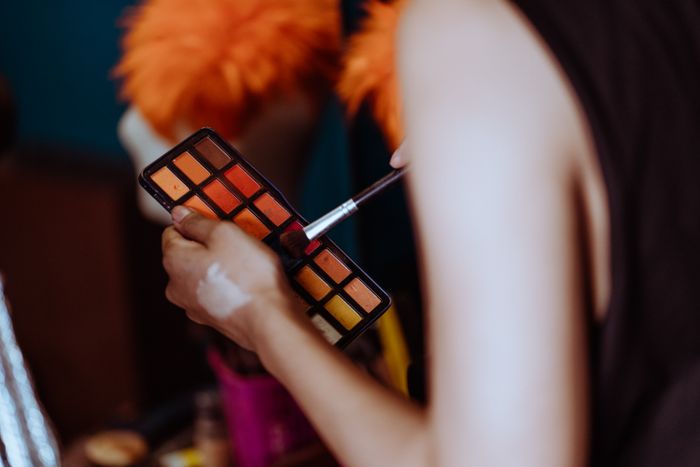
Skin: prep, correction, tone
Barrier, correction and mixing to match rather than approximate.
Class detail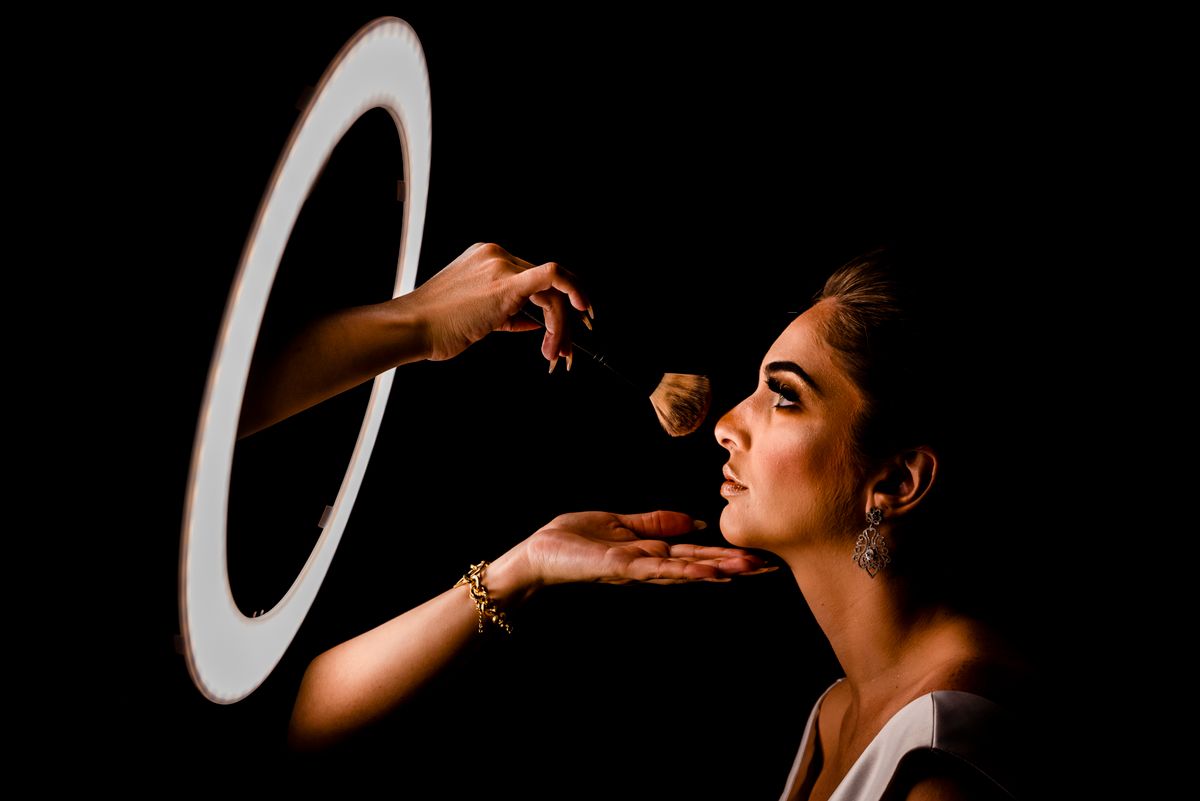
Every session at VERMILLA runs on models rather than practice boards, in a studio lit the way a set is lit. The diploma takes sixteen weeks and ends with a portfolio shot by a working photographer, not phone pictures of your last class.
The full route from skin preparation to a shot portfolio, for people intending to work as freelance artists.
Course detailLongwear technique, tone matching across a whole party and the timings that keep a wedding morning on schedule.
Course detailSingle-subject days for working artists: skin, graphic work, camera, period looks, airbrush and kit standards.
Course detailClasses are capped at twelve because a tutor cannot correct twenty pairs of hands in a three-hour session. When a cohort fills, it closes and the next intake opens.
Everyone teaching here works: bridal seasons, editorial, film. Teaching weeks are timetabled around their bookings, which is why term dates are published a year ahead.
From week two, every technique is taught on a live model with a face you have not seen before. Skin varies and practice boards do not teach that.
The final two weeks of the diploma are a shoot: a photographer, a lighting kit and a stylist, producing images you own outright.
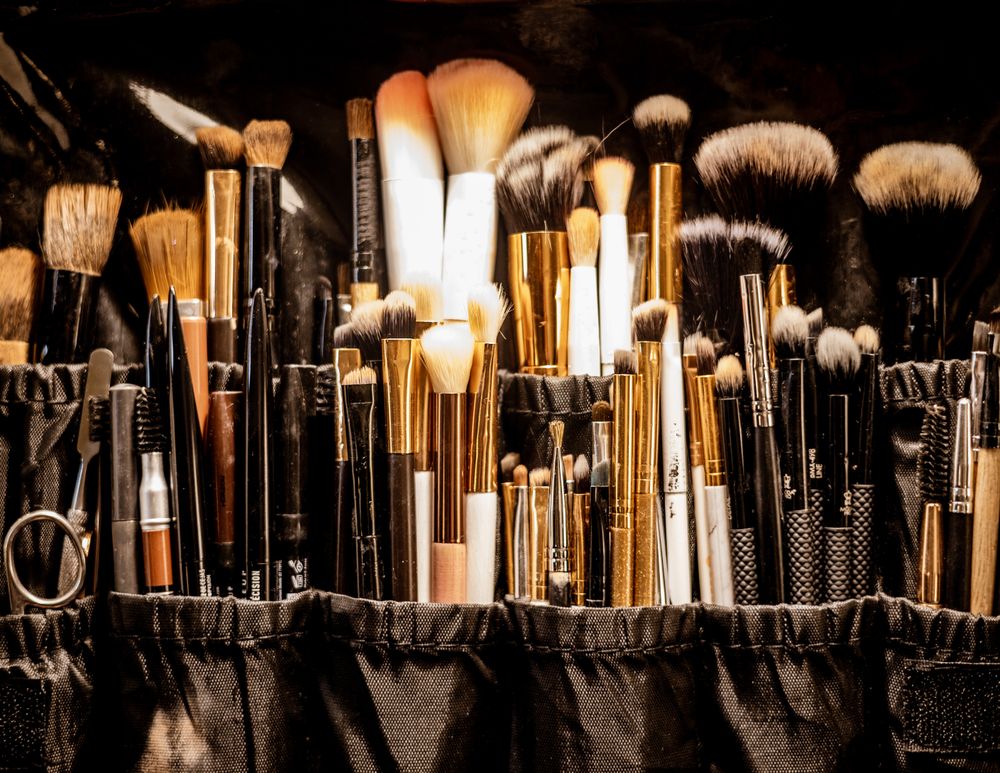
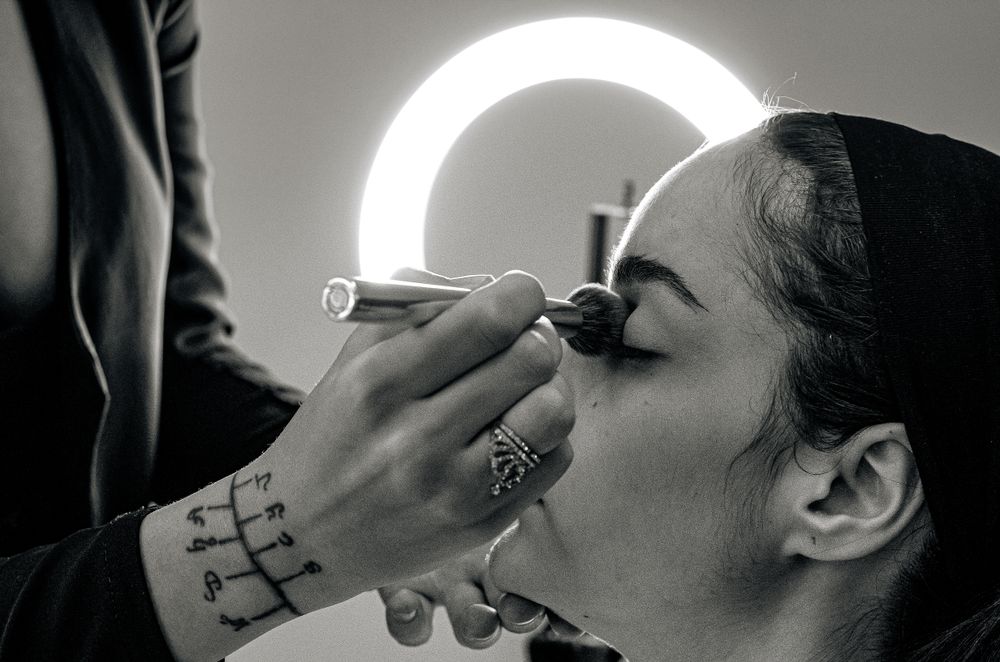
Most people who finish the diploma freelance. That means bridal mornings, commercial shoots, counter work while the diary fills, and eventually assisting on bigger jobs.
The school keeps a board of assisting calls that come in from working artists and shares it with current students and graduates. It is not a placement guarantee and we do not describe it as one.
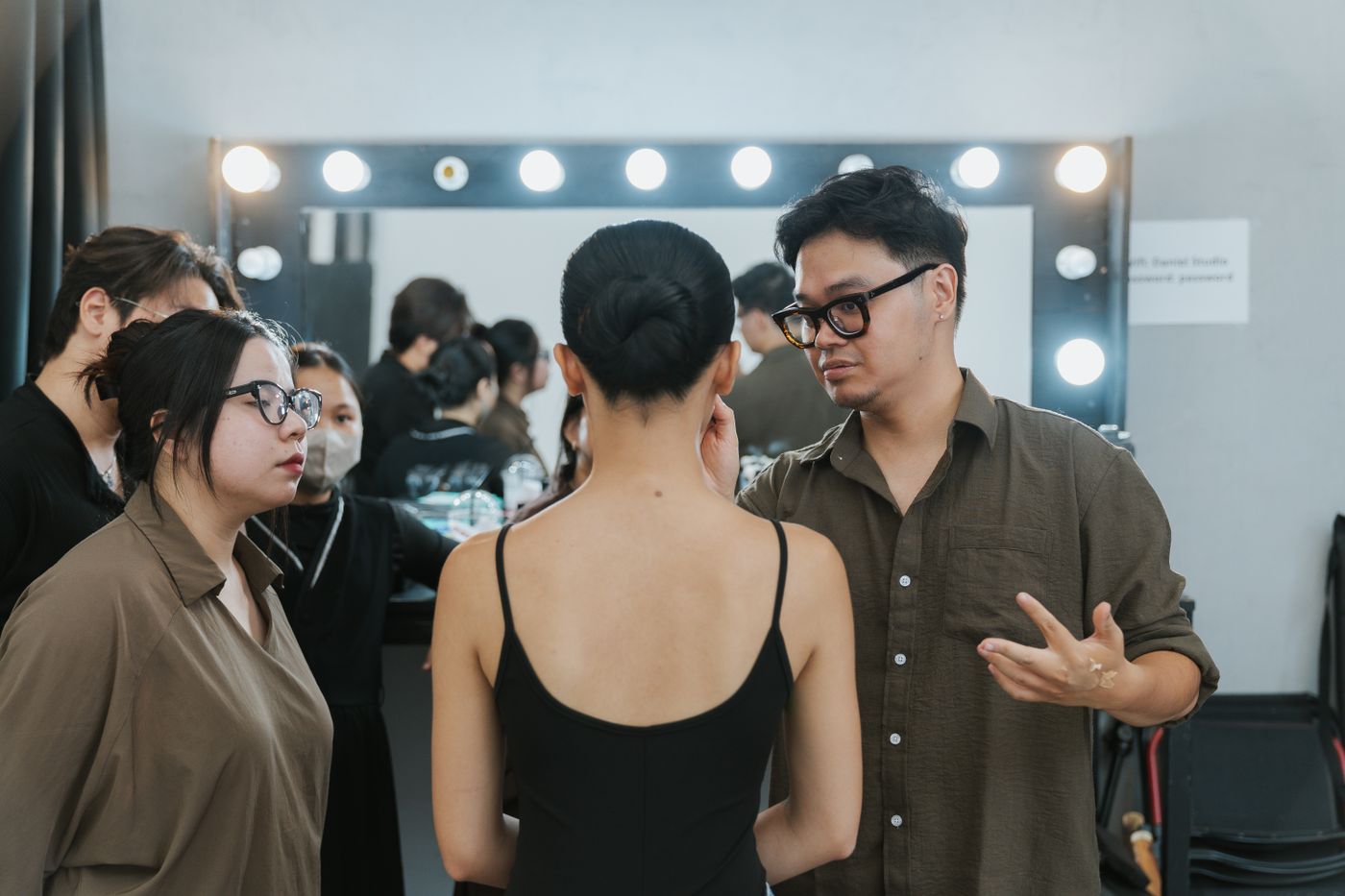
Single-subject days for working artists and for graduates coming back for a specific skill.
Barrier, correction and mixing to match rather than approximate.
Class detail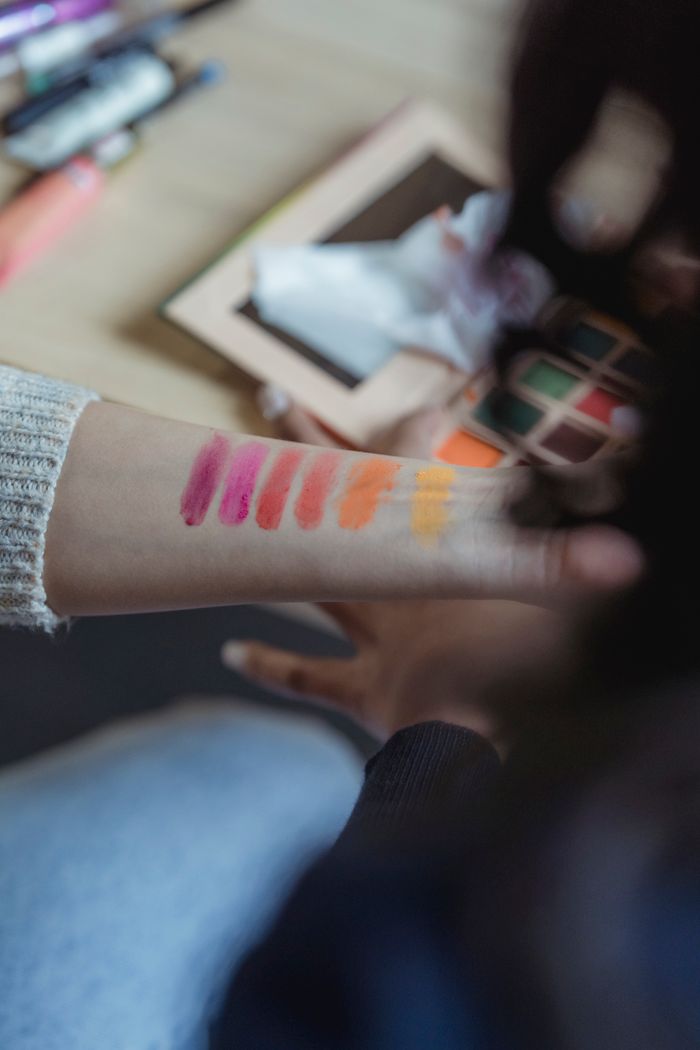
Structure, tape-free edges, and how the shape reads at three metres.
Class detail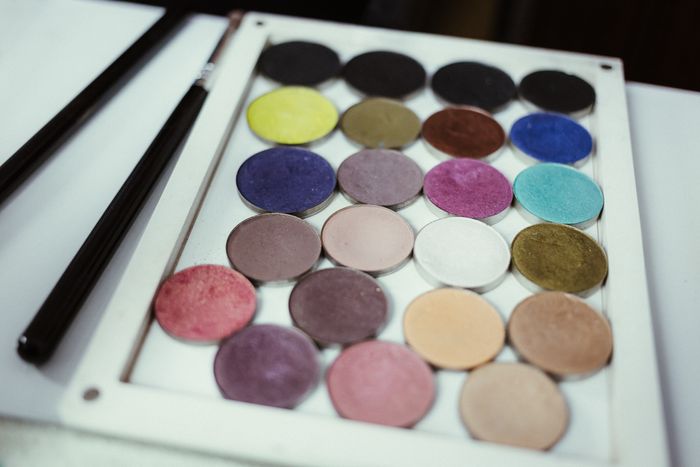
Texture under high resolution, continuity notes and set-lighting tests.
Class detail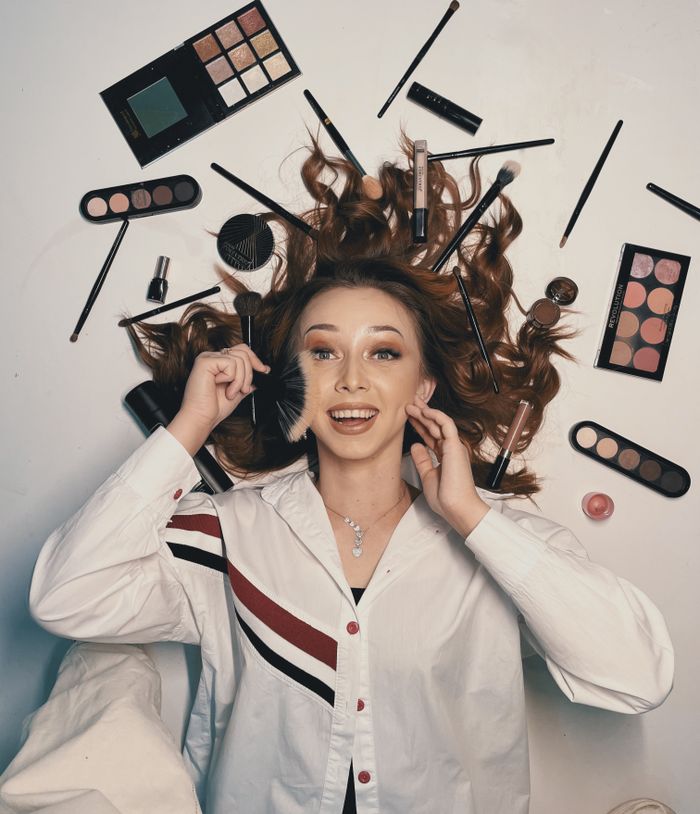
Six decades, the products that actually existed, and honest modern substitutes.
Class detail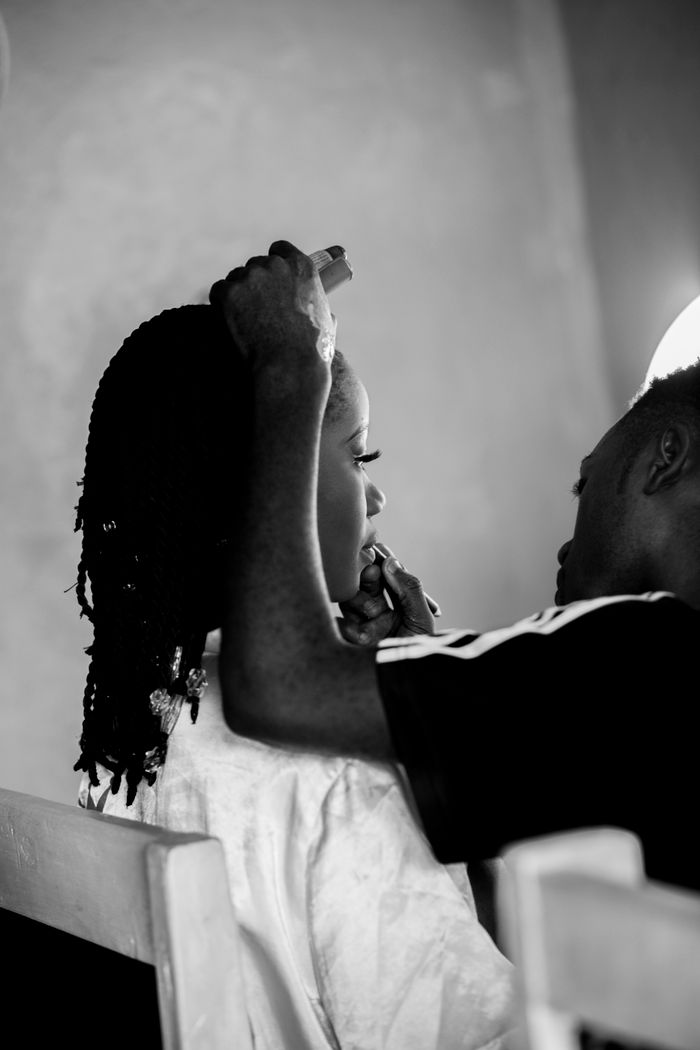
Compressor set-up, dilution, coverage on body work and clean-down.
Class detail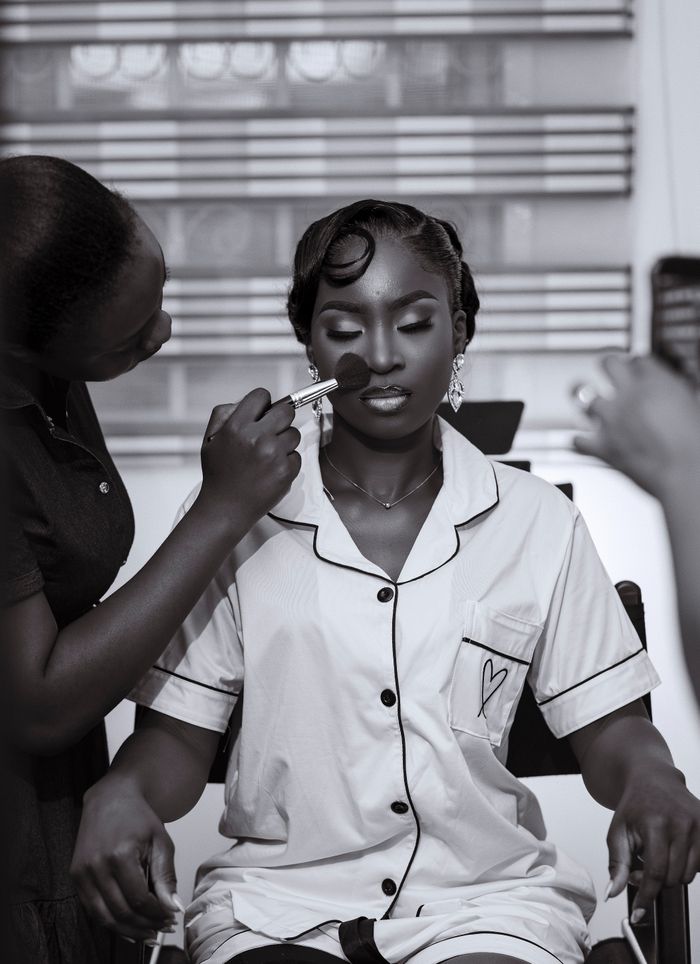
Decanting, sanitising, records, and what an insurer expects to see.
Class detail